 Saskatoon Radon Mitigation
Why radon matters in Saskatoon
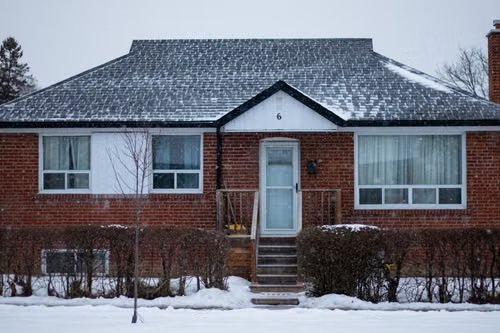
Radon is a radioactive gas that comes from the natural breakdown of uranium in soil and rock. It seeps into homes through cracks in the foundation, floor drains, sump pits and gaps around pipes, then builds up indoors, especially in basements and during winter when homes are closed up.
You can't see, smell or taste radon, and it is the leading cause of lung cancer in people who have never smoked. Saskatchewan is one of the higher-radon parts of Canada: Health Canada estimates that about 16% of homes in the Saskatoon region have radon above the national guideline of 200 becquerels per cubic metre (Bq/m³). The only way to know your home's level is to test.
Radon services for Saskatoon homes
Radon testing
Long-term and short-term tests to find out your home's radon level. Radon testing in Saskatoon
Sub-slab depressurization
The proven radon mitigation system: a fan and pipe that pull radon from under your basement floor and vent it outdoors.
Sump pit & slab sealing
Sealing sump pits, floor drains and large cracks so the system works efficiently and less radon gets in.
Post-mitigation testing
A follow-up test after installation to confirm your radon level is below the guideline.
What a radon mitigation system does
The most common and effective fix is called sub-slab depressurization. A certified installer:
- Drills a small hole through the basement floor and connects a pipe to the soil underneath.
- Adds a quiet fan that runs continuously, drawing radon from under the slab before it can enter your home.
- Vents the radon safely outdoors, above the roofline, where it quickly disperses.
- Seals major entry points such as large cracks and sump pit lids.
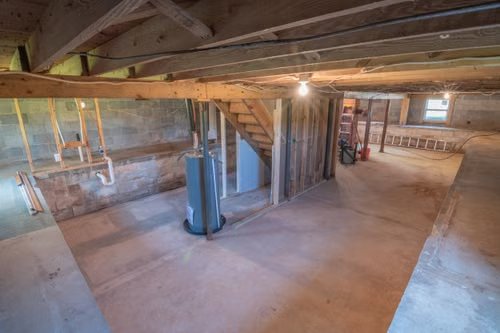
According to Health Canada, this approach can lower radon levels in most homes by more than 80%, and installation usually takes less than a day. See the full process step by step.
Illustration only, not a real customer result
When should you mitigate?
Health Canada recommends taking action if a long-term test shows radon above 200 Bq/m³:
| Your radon level | Health Canada recommendation |
|---|---|
| Below 200 Bq/m³ | No action required, though lower is always better. The World Health Organization suggests aiming for 100 Bq/m³ or less. |
| 200 to 600 Bq/m³ | Reduce radon within 2 years |
| Above 600 Bq/m³ | Reduce radon within 1 year |
Haven't tested yet? Start with our guide to radon testing in Saskatoon.
How much does radon mitigation cost?
Most homes in Canada pay roughly $2,500 to $3,500 for a professionally installed system, and a national survey found an average of about $2,700. The final price depends on your foundation, how easily air moves under the slab, and where the pipe can be routed. Newer homes with a radon rough-in pipe often cost less. Read the full cost guide.
What a good quote should include
Before you approve a quote, check that it covers:
- An on-site assessment, including a test of how air moves under the slab
- System design and installation by a C-NRPP certified professional
- Sealing of sump pits, floor drains and major cracks
- A follow-up radon test after installation
- The fan warranty and any workmanship guarantee, in writing
Why use a certified radon professional?
Health Canada recommends hiring a professional certified by the Canadian National Radon Proficiency Program (C-NRPP). Certified installers test how air moves beneath your slab before designing the system, size the fan correctly, follow Canadian installation guidelines and make sure the system actually lowers your radon level. We only refer homeowners to certified professionals.
How it works with us
- Request a quote. Fill in the short form. Tell us your radon test result if you have one.
- A local pro contacts you. A certified Saskatoon radon professional reaches out to answer your questions and assess your home.
- Installation and retest. The system is installed, usually in under a day, and your home is retested to confirm radon levels are down.
Areas we serve
All Saskatoon neighbourhoods, including Stonebridge, Evergreen, Willowgrove, Brighton, Rosewood, Nutana, Riversdale and Hampton Village, plus Warman, Martensville, Osler, Dalmeny and nearby rural properties. See the full service area and what's known about radon around Saskatoon.
Common questions
Is radon a big problem in Saskatoon?
Saskatchewan is one of the higher-radon parts of Canada, and Health Canada estimates about 16% of homes in the Saskatoon region are above the guideline. Levels vary from house to house, so the only way to know is to test.
Is radon mitigation worth it?
If your home tests above 200 Bq/m³, yes. Long-term radon exposure raises lung cancer risk, and a properly installed system lowers levels in most homes by more than 80% for about the cost of other common home repairs.
Will the system be noisy?
Radon fans are designed to run continuously and are usually mounted outside the living space, such as in the garage, attic or on an exterior wall, so most homeowners barely notice them.
Do I need to test first?
Yes. A long-term test (at least 3 months) tells you whether you need a system and gives you a baseline to compare against after installation.
Get a free, no-obligation quote
Tell us about your home and a certified local radon professional will contact you.
Sources: Health Canada: Reducing radon levels in your home · Clark's Crossing Gazette: radon in the Saskatoon region · Take Action on Radon: mitigation cost survey